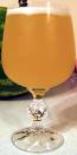
| Judge Beer Like a Pro By jim attacap Who doesn't want to be a beer judge? Well if you don't have time to put in many hours of study to pass your certification test just follow these few tips next time you want to know just what an actual judge might say about your beer. Certified judges and true connoisseurs evaluate the following general parameters: Bouquet/Aroma: Immediately after the beer has been poured, take a sniff while the aromas begin to expand in your glass. Act quickly for in less time than you think, the volatile esters that make up the beer's aroma will be gone. What you're looking for are the dominant aromas of the beer. Is it sweet, sour, roasty, earthy, herbal, flowery, citric or any one of a number of other smells? A strong malt presence will bring a nose of sweetness. Beware- aromas of sourness and tartness might, but certainly not always, mean your beer is infected. Roasty aromas derive from roasted grains, such as the unmalted barley used in an Irish stout. Different varieties of hops impart earthy, herbal, flowery and citric aromas. Ales are often fruity. German wheat beers and many Belgian ales are yeasty and spicy. Appearance: Is the beer clear? Most beers are filtered and should be clear. However, unfiltered wheat beers are supposed to be poured so that the yeast on the bottom of the bottle is roused and poured into the glass imparting some cloudy notes. Next, check the color of the beer. Each beer style has its own color parameters: golden for pilsners, amber for most pale ales, orangey-reddish-amber for Oktoberfests, black or near-black for stouts. Check to see if your beer have a nice foamy head and good head retention/ Does beautiful lace cling to the sides of the glass or does the beer wash down the inside of the glass like dishwater? Flavor: Here you're looking for a number of characteristics, many of them similar in definition to the bouquet/aroma characteristics. Is the main flavor one of malt (sweet or roasty) or hops (earthy, herbal, flowery, citric)? Does an added fruit take over the flavor? Is the beer tart or sour? Wheat beers are often pleasantly tart. Many Belgian beers are tart or yeasty or spicy. How does the flavor change from the first impression into the middle and to the finish? Is the finish a big burst of flavor that quickly ends or does it linger? How do all these flavors play off each other? In beer-judge talk, that's called "balance." Is the balance good, or does one flavor drown out all the others in a nasty show of brute strength? How well is the beer "conditioned," by which beer judges mean the age of the beer and how the flavors have all come together? Is the level of carbon dioxide pleasant or overpowering? Body: What's the mouthfeel of the beer? Is it thin and watery (like a standard American lager) or full and chewy (like an Imperial stout)? Does the beer sparkle or is it flat and dull looking? Drinkability & Overall Impression: Finally, beer judges make comments about how they perceive the beer as a whole, adding kudos where appropriate and constructive criticisms when necessary. At the last judging I attended I heard things such as these: This is a great example of an American pale ale, full of malt body and lots of fresh, lovely Cascade hops aroma and flavor." "This was entered as an Irish stout, but there's almost no roasty malt aroma or taste, and the color is brown, not black." One thing must be clear from the above examples. In order to judge beer, you have to know beer styles. Study these by buying and tasting as many commercial examples as possible and you're on your way to becoming a knowledgeable beer judge. |
beernexus.com - SPECIAL REPORT

Judge Beer Like a Pro
 |
| |
 |