

| Hold That Wine Cork that bottle of blush zinfandel and down-size the restaurant wine list; according to a new survey, restaurant diners far prefer beer and mixed drinks to wine. A recent survey by Technomic Inc., a Chicago-based food consulting firm, found that consumers were twice as likely to order beer or mixed drinks than wine when drinking away from home. Only 18 percent of occasions when consumers dine and drink away from home included the consumption of wine, while 46 percent included the downing of beer. But wine stewards can rest easy; wine still remains the beverage of choice for business meals and romantic dinners, Technomic said; it's those other dining-out occasions when ales, stouts, and mixed drinks rule. Dark Beer Benefits An American professor, John Folts, cardiologist at the University of Wisconsin, says that dark beer is better than lager-type beer in counteracting the formation of blood clots. He reached this conclusion after analyzing medical information from over 2,500 individuals. Professor Folts concluded that the dark beer was apparently twice as effective as light beer in preventing coagulation of blood platelets and clot formation. due to the greater presence of flavonoids in dark beer. Flavoniods are substances of vegetable origin which are well know to prevent the oxidation of cholesterol, which is also implicated in the prevention of atherosclerosis (narrowing of the arteries). |
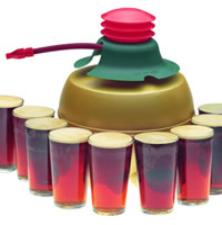
| Make Beer in 10 Minutes! Forget everything you thought you knew about home brewing. If you're bitter about pub prices, you'll love this. The BrewZer is a mini micro-brewery with a compact and revolutionary design. Unbelievably simple to use, you can make beer at home in just ten minutes. The device includes a set of ingredients which makes ten pints. Just mix these with cold tap water, and 21 days later, you've got perfect, according to the manufacturer, beer. An added bonus is that there is no sterilizing or boiling water needed. The BrewZer is available on Amazon.com/UK |
 |
| |
 |

Feature News from beernexus.com
| Bad News For Beer Beer connoisseurs could be in for a surprise this year, and they may not be alone. Small brewers from Australia to Oregon face the daunting prospect of tweaking their recipes or experimenting less with new brews thanks to a worldwide shortage of one key beer ingredient and rising prices for others. Even worse, beer prices are likely to climb. How high is anybody's guess. Craft brewers don't have the means to hedge against rising prices, like their industrial rivals. "I'm guessing, at a minimum, at least a 10 percent jump in beer prices for the average consumer before the end of the year," said Brian Lynch, brew master for the Paul's Pubs chain. Sales have been relatively flat in recent years among the country's big three brewers -- Anheuser-Busch Cos., Molson Coors Brewing Co. and SABMiller PLC. unit Miller Brewing Co. -- while small, independent brewers have experienced tremendous growth. The craft brewing industry experienced a 12 percent increase by volume in 2006, with 6.7 million barrels of beer. Sales among microbreweries, which produce fewer than 15,000 barrels per year, grew 16 percent in 2006. That good news for the brewing industry is tempered by realization that they are facing mounting costs on nearly every front. Fuel, aluminum and glass prices have been going up quickly over a period of several years. Barley and wheat prices have skyrocketed as more farmers plant corn to meet increasing demand for ethanol, while others plant feed crops to replace acres lost to corn. A decade-long oversupply of hops that had forced farmers to abandon the crop is finally gone and harvests were down this year. In the United States, where one-fourth of the world's hops are grown, acreage fell 30 percent between 1995 and 2006. Australia endured its worst drought on record. Hail storms across Europe damaged crops. Extreme heat in the western United States hurt both yields and quality. Big brewers can hedge against rising prices for raw ingredients and can negotiate better, longer-term contracts for ingredients, while smaller brewers generally are left with whatever is left. |
|
| |
|