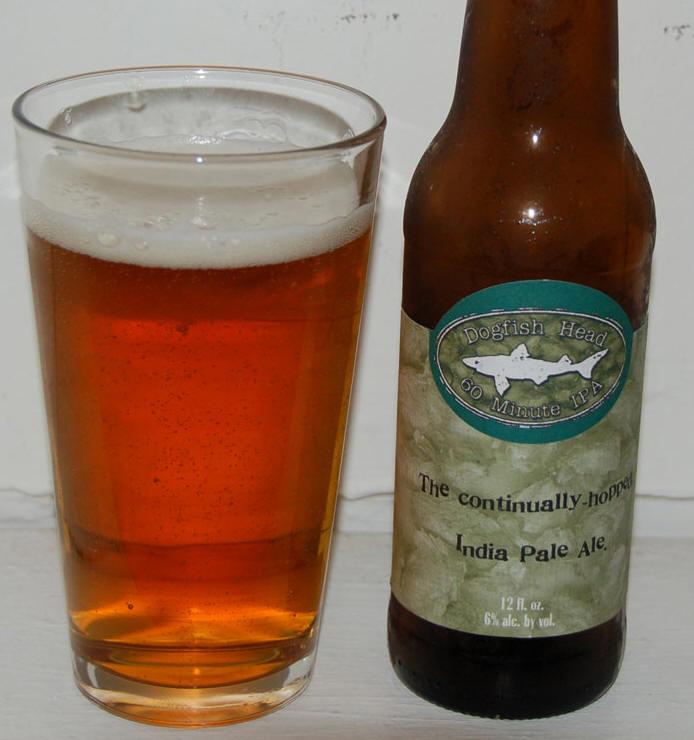
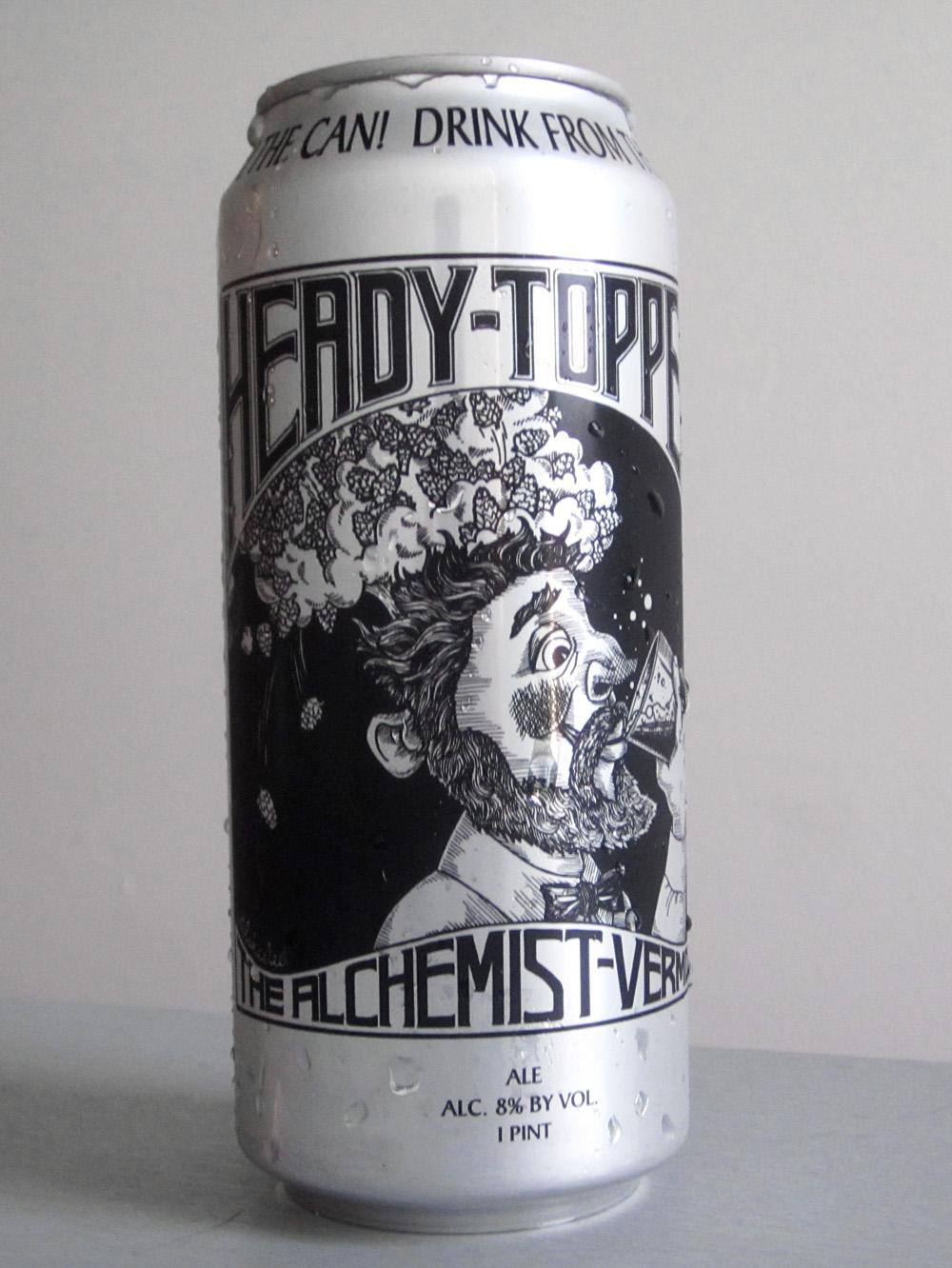
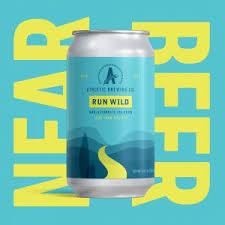
| New Year! New Beer? For BeerNexus.com Well hallelujah 2020 is finally over! The holidays just weren’t the same this year and it was a hell of a year all around. We’re not out of the woods just by changing the calendar, we need everyone who wants to get the vaccine (and sorry I can’t understand why the vast majority wouldn’t want to) to get it so we can reopen bars and restaurants and tap rooms and go out and enjoy ourselves again. It’s going to take time and hopefully the additional time, which will certainly be over a year since this started, won’t be the death knell of more bars and breweries. We’ll have to cross our fingers and wait and see on that. From the consumer standpoint although we couldn’t frequent bars and breweries as much as we like there was reasonable access to some good and yes some really great craft beers. So, on that front there isn’t much to complain about; we might have been more limited than before but we weren’t denied. I love IPAs so whenever I see an article on or about IPAs, I read it. Found one recently where some brewers were trying to come up with their own classification for their IPA. Basically, instead of NEIPA or Hazy they were calling it Opaque…say that again…ok, Opaque. So yea there have been other descriptors like foggy or murky but what’s the deal here. I’m thinking this is basically a marketing ploy. I.E., how do you distinguish your IPA when it’s about 50% of the entire market. You either fit into one of the existing categories or you try to create your own so we craft beer drinkers will think it’s another style to try. I need to do more research and no I’m not talking about drinking them, I mean looking around to see if I can learn more about the origin and if it’s legit. The first description I see says opaque IPA taste like pillows plumped with fruit juices… If you’re like me you read and then re-read a few times and think, what does that even mean? Definitely when I wake up I take my head off the pillow, I might have a little cotton mouth and probably the first thing I drink is some fruit juice and this has what to do with an IPA I’ll have later that day… If that was supposed to entice me, it was a huge swing and miss (can’t wait for pitchers and catchers to report). Some think the hazy category has likely reached the saturation point. Interestingly enough, Sierra Nevada’s Hazy Little Thing passed Lagunitas as #1 selling IPA in October. Nielsen is telling us there are more than 500 hazy IPAs in off premise channels, implying that new entrants “will need to find ways to clearly differentiate themselves.” My point exactly; more marketing ploy than a different style. Back to research, let’s look at the handy Beer Styles Guidelines which they use to judge beers that I have downloaded on my phone and see if that brings any clarity. Well, there is only one IPA category with seven sub-categories; American IPA, and six Specialty IPAs: Belgian, Black, Brown, Red, Rye and White. I guess I’ve probably had at least one in each of the Specialty categories but seriously how often do you see a Brown IPA or a Red IPA or a Rye IPA; not all that often. Well, that’s not much help at all as it seems to me there should be about a dozen sub-categories of American. Let’s think about the American category. • In the early years there was really just one style, the English IPA, which was a hoppy golden ale that used exclusively British hops like fuggles and goldings for a dry but grassy, earthly light citrus taste. • CA brewers decided to “Americanize” IPA using some of the big American “C” hops like cascade, citra and chinook to give a bigger citrus aroma with some pine and slight dank smells, which were less dry but significantly more bitter. Since IPA styles have expanded, we now refer to this as the West Coast IPA. • As many of us craft drinkers got more used to the West Coast, we wanted more hops so brewers were happy to experiment with hops creating what we call Imperial or Double IPAs, basically stronger hoppier beers. The best ones are able to balance the higher alcohol taste with the malty bitter hops. • And if you can make a Double then why not a Triple IPA, which at 12-13% are closer to the alcohol content in wine and are not to be taken lightly when you’re out enjoying them, unless of course you have a designated driver or are taking an Uber. • WHY STOP THERE YOU SAY? Well, they didn’t as we have Quadruple IPAs and some of the braver, well maybe braver isn’t the right way to view this approach, took it another step to Quintuple IPA. I’ve had a few Quads but never seen a Quintuple in a bar or a store, so yea they’re pretty rare, which is probably a good thing. • Now that we’ve cranked the ABV higher than we really need to many of us are saying that was great but I can’t stand, much less drive, after a couple of these. Our craft brewers, being the understanding and listening group they are said, well okay you want a “good tasting” lower alcohol IPA and the Session was born. Usually, an IPA < 5 or 6% was pretty mellow and not all that exciting taste wise, so yes this was a challenge for craft brewers, but Founders created the standard for the category with their All Day IPA. For many of us they are a lot more popular in the summer when you’re out and about enjoying the fresh air and having a few, but I usually like to “climb the ladder” when I’m out so starting with a good tasting lower ABV Session to start is not a bad thing. • But enough about the West Coast as they only became known as the West Coast after the East Coast or more specifically New England started another trend; the unfiltered hazy, cloudy sometimes with a yeast bomb on the bottom of the can NEIPA or New England IPA. And to be honest it was really more of those VT brewers like Alchemist and Lawson’s and Hill Farmstead that started making outrageously good beers in these isolated hard to get to places with little or no parking. They helped create the phenomenon of us craft beer lovers standing in long lines just to get a sought-after beer. • We can’t talk about the expansion of IPA without talking about the incredible increase in the number and style of the major ingredient; the HOPS. I searched online and found a spreadsheet with 147 different hops! Obviously, we have some that are extremely available and popular and some that must be difficult to find. • After the brewer decides which hops to use, they might have a choice how they’re available being fresh, dried or pelletized. That leads us to terms like wet hop, fresh hop, dry hopped, DDH or double dry hopped, triple dry hopped… • But the brewer is not done yet as you have the hops in form procured, now there are different times they can be added; before, during or after the boil. We’re not done with our list but let’s step out for a minute and think about the choices and options that brewers have today they didn’t years ago. In the early days of craft, breweries had ONE IPA and they pretty much make it the same way all the time; and we loved them and drank them. There were some that distinguished themselves as top notch such as DFH 60 Minute, Ithaca Flower Power and Victory Hop Devil to name a few. Now with all the different hops to choose from, deciding which of the bittering or aromatic or dual purpose to use, how to combine them to make a good tasting beer, which form of hops to use and when to add them; the number of options are ridiculous. So, when you’re tasting a great IPA there’s a brewer who’s hopefully mastered the art…or maybe got lucky as we all do every once in a while. I really enjoy the breweries that have decided to make an IPA series, where they have one name for beer and then use the hop names they’ve added as descriptors; something like BigG IPA-Simcoe, BigG IPA-Cascade, BigG IPA- Nelson/Galaxy…well you get the idea. I’m remembering back many years ago when one of our founding breweries, Boston Beer, produced an experimental IPA 12 pack with 11 single hop IPAs and one that combined them all. They also included tasting notes so it was a great way to explore the different taste characteristics and qualities of each hop. It was definitely innovative for then and yes, very enjoyable. Of course, today you’d need at least a 48 pack for starters. Okay so let’s get back to our list; I think we’re at the bottom of the barrel so to speak: • Coffee-I’ve had a few and they’re okay. I prefer my coffee tastes in my stouts. • Wood Aged- I hardly see these but hey you can age anything in wood to change the flavor characteristics. • Fruit-you name it and some brewer has tried to add it but you tend to see a lot of mango, blueberry, grapefruit, peach, etc. • Brut – I was very skeptical of this when it came out but you have to try it which many of us did and the next big craze was over before it began. • Milkshake IPA – let’s add lactose, an unfermentable milk sugar, to lend a sweet lushness. We’re seeing lactose used frequently now but if I have a choice, I’ ll usually pick one without lactose. • NA – believe it or not we are now talking “non-alcoholic”! There are some pretty good NA beers out there and brewing an NA IPA with the bold bitter taste you expect is not an easy task, but there are some. • Eclectic – aka “catch all” like someone used their hair, another oysters, another donuts; hey you name and some brewer probably tried it. So, are they avant-garde, innovative or just plain crazy? Wait, where did we start with this; oh, right I don’t see opaque anywhere on this list and I hope we don’t. If you want to join the club don’t try to make your own category, just make GREAT IPA. I don’t care about the label or the name or the descriptor; all I care about is the taste. Here’s to 2021 and all the great IPAs (and yes other styles) that we’re going to have! Stay Safe and Drink Craft! Glenn DeLuca writes about beer and culture of drinking. He may be reached by writing thebigG@beernexus.com. *** *** *** |
Glenn DeLuca

Outtakes from a life of beer.
beernexus.com presents
| Big G's Beer Beat by Glenn DeLuca |


| BeerNexus is proud to welcome beer writer Glenn "Big G" DeLuca as a contributor to the site. A widely traveled beer hunter, Glenn is a leading advocate for the growth of craft beer. |
| More from the BIG G The complete index of all Big G's Beer Beat HERE |
click to enlarge pictures


 |
| |
 |
|
| |
|


-

--